
Neglected Tropical Diseases: Diseases You Can Get in the Tropics That People Ignore
Introduction In many parts of the world, especially tropical and subtropical regions, millions of people suffer from infectious conditions that remain largely underreported and underfunded. These illnesses—collectively known as Neglected Tropical Diseases (NTDs)—include a wide range of parasitic, viral, and...
Read More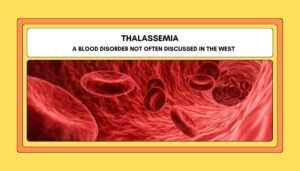
Thalassemia: A Blood Disorder Not Often Discussed in the West
Introduction Thalassemia is a group of inherited blood disorders that affect the body’s ability to produce hemoglobin—an iron-rich protein in red blood cells responsible for carrying oxygen. People with thalassemia often experience chronic anemia, fatigue, and may require lifelong treatment,...
Read More
Chagas Disease: The ‘Kissing Bug’ Disease Affecting Millions Silently
Introduction Chagas disease, also known as American trypanosomiasis, is a parasitic illness predominantly found in Latin America but increasingly recognized in other parts of the world. Transmitted mainly through the bite of the Triatomine insect—colloquially known as the “kissing bug”—Chagas...
Read More
Huntington’s Disease: The Devastating Genetic Illness Few Understand
Introduction Huntington’s disease (HD) is an inherited neurodegenerative disorder that gradually affects a person’s ability to move, think, and regulate their emotions. Named after American physician George Huntington, who first described it in the late 19th century, the condition typically...
Read More
Sickle Cell Disease: Underrepresented in Research Compared to Other Genetic Diseases
Introduction Sickle cell disease (SCD) is one of the most prevalent hereditary blood disorders worldwide, affecting millions of people across Africa, the Middle East, India, the Caribbean, and other regions. Yet, despite being more common globally than many other genetic...
Read More
ALS (Lou Gehrig’s Disease): Progress and Challenges in Finding a Cure
Introduction Amyotrophic Lateral Sclerosis (ALS), also known as Lou Gehrig’s disease, is a progressive neurodegenerative condition that affects the nerves controlling voluntary muscles. Named after the famous baseball player Lou Gehrig, who was diagnosed in the 1930s, ALS leads to...
Read More
Rare Disease Day: Why Awareness Matters for Uncommon Conditions
Introduction For many living with uncommon illnesses, a diagnosis can bring more questions than answers, with treatments often elusive and mainstream conversations largely absent. Rare Disease Day is observed each year to spotlight these lesser-known disorders, uniting patients, families, and...
Read More
Multiple Sclerosis in Minority Populations: Does It Differ and Why Few Talk About It?
Introduction Multiple sclerosis (MS) is commonly perceived as a disease more prevalent in White populations of European descent. While it’s true that research historically focused on these demographics, recent studies and patient experiences highlight that MS also affects minority groups—sometimes...
Read More
Rare Genetic Disorders: What Is Life Like with a Disease Only 100 People Have?
Introduction Picture hearing from your doctor that the condition shaping your life, perhaps from childhood, affects only about 100 people in the entire world. You can’t turn to any neighbors or classmates who share the same diagnosis—chances are, none have...
Read More
Adenomyosis: A Painful Uterine Condition Often Confused with Endometriosis
Introduction Adenomyosis is a uterine disorder in which tissue similar to the endometrium (the lining of the uterus) grows into the muscular wall of the uterus (the myometrium). This invasion can lead to an enlarged uterus, painful cramping, and significantly...
Read More