Pancreatic Cancer: The Deadly Cancer That’s Hard to Detect Early
Introduction Pancreatic cancer is one of the most lethal malignancies worldwide, with a five-year survival rate in the single digits for…

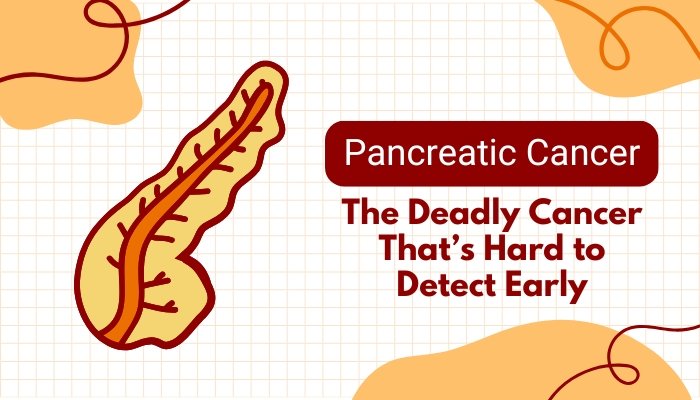
Introduction Pancreatic cancer is one of the most lethal malignancies worldwide, with a five-year survival rate in the single digits for…
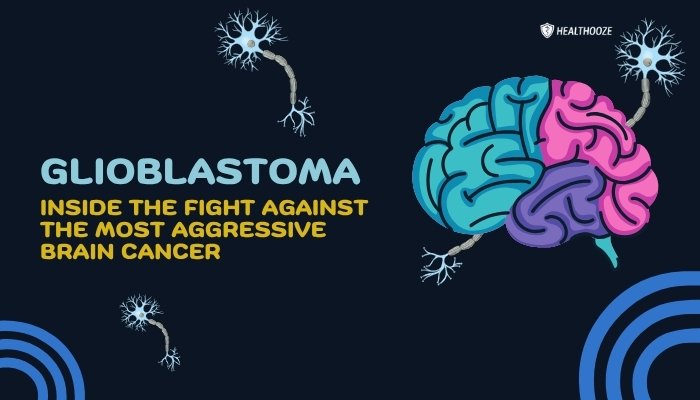
Introduction Glioblastoma (GBM), sometimes called glioblastoma multiforme, stands among the most aggressive and lethal forms of brain cancer. Originating within the…

Introduction When people think of breast cancer, many envision a well-known narrative of early detection, localized tumors, and a roadmap leading…

Introduction Albinism is an inherited condition characterized by reduced or absent production of melanin, the pigment that gives color to the…

Introduction Primary immunodeficiencies, also known as primary immune deficiencies (PIDs), are a group of genetic disorders where part of the immune…
Introduction Hemophilia is a rare genetic condition that impairs the blood’s ability to clot, leading to prolonged or spontaneous bleeding. While…

Introduction Scleroderma—sometimes referred to as systemic sclerosis—is a rare autoimmune disease that causes excess collagen production, leading to abnormal thickening and…

Introduction Myasthenia gravis (MG) is an autoimmune disorder that disrupts the communication between nerves and muscles, resulting in debilitating muscle weakness….

Introduction When pop icon Michael Jackson attributed his changing skin tone to vitiligo, it sparked widespread speculation and rumor. Yet, vitiligo…

Introduction Uterine fibroids, also known as leiomyomas, are benign tumors that develop within or on the uterus. Although fibroids can appear…